 By Levi Leo
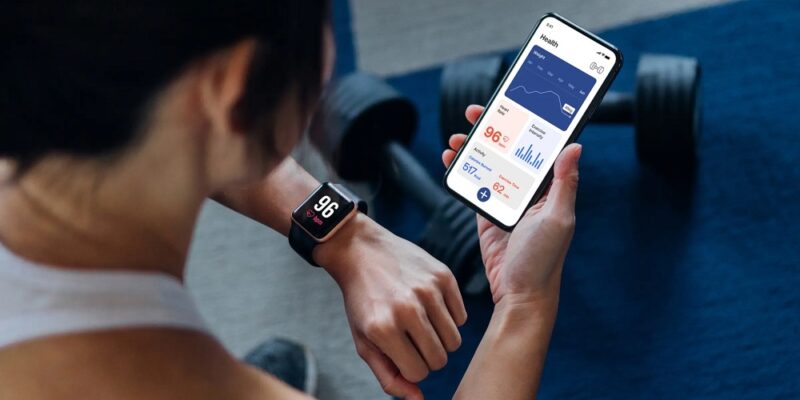
The landscape of personal fitness and athletic conditioning has undergone a profound transformation over the past decade. Not long ago, tracking a workout meant manually recording sets and repetitions in a paper journal, tracking lap times with a basic stopwatch, or estimating caloric expenditure using generalized online calculators. Today, millions of people worldwide step onto tracks, into weight rooms, and onto yoga mats equipped with sophisticated biometric sensors wrapped around their wrists, rings on their fingers, or monitors strapped to their chests.
Fitness wearables have evolved from simple novelty step-counters into highly advanced data-collection hubs. Utilizing complex arrays of photoplethysmography sensors, micro-electro-mechanical systems, and advanced algorithmic processing, these devices provide continuous, real-time insight into human physiology. This shift toward biometric data collection has fundamentally altered the philosophy of athletic training, turning abstract feelings of fatigue and effort into quantifiable, actionable metrics.
The Evolution of Tracking: From Steps to Complex Biometrics
Early consumer wearables primarily relied on basic accelerometers to count footsteps. While this served as an effective tool for encouraging sedentary populations to move more, it offered minimal utility for structured athletic training. Modern fitness trackers, however, capture a massive array of biomarkers that paint a comprehensive picture of an individual’s physiological state.
At the core of almost every modern wearable is an optical heart rate sensor. By shining light through the skin and measuring changes in light absorption caused by blood pulsing through blood vessels, these devices map out cardiovascular strain during and after exercise. Beyond mere beats per minute, contemporary devices analyze subtle variations in the timing between consecutive heartbeats, a metric known as heart rate variability.
Additionally, current generation wearables frequently incorporate pulse oximetry to track blood oxygen saturation, skin temperature sensors to detect metabolic shifts or oncoming illness, and electrodermal activity sensors to measure micro-sweat responses linked to psychological and physical stress. The raw numbers generated by these sensors are instantly processed through cloud-based algorithms to offer users a holistic interpretation of their current physical state.
Transforming the Approach to Recovery and Readiness
Perhaps the most significant paradigm shift brought about by fitness wearables is the prioritization of recovery. In traditional training cultures, the prevailing mentality often revolved around pushing through extreme fatigue, summed up by the old phrase, no pain, no gain. Modern exercise science, however, emphasizes that athletic progress does not actually occur during the workout itself, but rather during the subsequent rest period when the body repairs cellular damage and adapts to the stress of exercise.
Wearables have made recovery quantifiable. By tracking physiological markers during deep sleep and early morning hours, devices can calculate a daily readiness or recovery score. This metric serves as a guide for deciding whether an athlete should attempt a highly demanding workout or opt for an active recovery session.
-
Heart Rate Variability: A high heart rate variability indicates that the autonomic nervous system is balanced and highly adaptable, signaling that the body is fully recovered and prepared to handle a high training load. Conversely, a depressed heart rate variability suggests the sympathetic nervous system is dominant, which is a clear sign of systemic fatigue or stress.
-
Resting Heart Rate Trends: A gradual decrease in baseline resting heart rate over weeks or months generally points to improvements in cardiovascular efficiency. However, a sudden, unexpected spike in resting heart rate often warns of overtraining, chronic lack of sleep, or an impending viral infection before physical symptoms even manifest.
Real-Time Biofeedback and Pacing During Training
During an active training session, fitness wearables act as an objective digital coach, delivering immediate feedback that allows individuals to adjust their exertion levels on the fly. This real-time pacing has changed how athletes execute specific training modalities, particularly endurance and high-intensity interval training.
For endurance runners and cyclists, training within specific heart rate zones is critical for building metabolic efficiency. Wearables allow users to set precise physiological boundaries based on estimated or tested lactate thresholds. If an athlete climbs a hill too aggressively during an easy aerobic base-building run, the device can vibrate or emit an audio alert, signaling them to slow down to prevent accumulation of metabolic byproducts that would derail the intended stimulus of the workout.
In the weight room, advanced wearables are beginning to replace traditional percentage-based training with velocity-based metrics. By tracking the exact speed of a barbell or dumbbell using inertial sensors, these devices can detect micro-slowdowns in movement speed during a set. This precise feedback indicates neurological fatigue, allowing strength athletes to terminate a set at the exact moment their performance drops, maximizing strength adaptations while significantly mitigating the risk of injury.
Behavioral Psychology and the Gamification of Fitness
While the physiological data provided by wearables is undeniably powerful, their impact on human behavior is equally significant. Behavior modification is notoriously difficult to achieve in healthcare and fitness, yet wearables have found massive success by integrating principles of behavioral psychology and gamification into daily life.
Features like digital activity rings, streak counters, and community leaderboards tap into the human desire for achievement and social validation. The psychological feedback loop created by completing a daily movement goal creates a sense of accountability. Users are often willing to walk an extra block or extend a workout by ten minutes simply to ensure their device records the achievement and maintains a multi-day streak.
Furthermore, the continuous recording of personal data builds a deep sense of ownership over one’s health. When a user can visually correlate a poor night of sleep or a late-night heavy meal with a drastically lowered recovery score the next morning, the abstract concepts of lifestyle health become concrete. This immediate visibility encourages long-term, incremental adjustments to sleep hygiene, nutrition, and daily movement patterns.
Data Overload and the Risks of Over-Reliance on Technology
Despite the vast array of benefits, the rapid adoption of fitness wearables is not without its pitfalls. One of the primary challenges users face is data overload. When flooded with daily charts detailing light versus deep sleep cycles, breathing rates, caloric burn estimates, and stress levels, individuals can easily become anxious about numbers they may not fully understand.
This anxiety can lead to a condition known as orthosomnia, a term coined by sleep researchers to describe an unhealthy obsession with achieving perfect sleep tracking metrics. A user might wake up feeling completely refreshed and energized, yet experience a psychological drop in mood and perceived energy simply because their device gave them a low sleep quality score.
Moreover, over-reliance on digital metrics can cause individuals to lose touch with their natural interoception, which is the internal sense of the physiological condition of the body. It is vital for long-term athletic success to learn how to subjectively read one’s own body. If an athlete relies entirely on a smartwatch to tell them when they are tired, thirsty, or performing well, they fail to develop the intrinsic body awareness required to navigate situations where technology is unavailable or inaccurate.
The Future of Wearables: Predictive Analytics and Prescriptive Training
The trajectory of wearable fitness technology points toward an increasingly automated, prescriptive future. Current generation devices excel at telling users what has already happened, such as how many calories were burned or how long they slept. The next frontier involves highly accurate predictive analytics powered by machine learning algorithms trained on massive datasets.
Future ecosystems will likely shift from descriptive interfaces to prescriptive assistants. Instead of merely displaying a low readiness score, tomorrow’s wearables will look at historical workout logs, recent nutritional intake, and environmental factors to generate a completely custom, adaptive workout plan for that specific day. If the sensors detect markers of joint strain or muscular imbalances based on movement asymmetry, the device will automatically swap a scheduled sprint session for a targeted mobility routine. As biometric sensors continue to shrink and grow more accurate, the boundary between consumer fitness gadgets and medical-grade diagnostic devices will continue to blur, permanently changing human physical preparation.
Frequently Asked Questions
Are the caloric burn estimates provided by fitness wearables actually accurate?
Generally speaking, fitness wearables are relatively inaccurate when it comes to measuring exact caloric expenditure. Most devices estimate calories burned by running your heart rate, age, weight, and motion data through generalized mathematical equations. Studies have consistently shown that consumer trackers can over or underestimate total caloric burn by significant margins depending on the specific activity and individual metabolic rates. While they are highly valuable for tracking relative day-to-day trends in activity levels, they should not be viewed as absolute scientific calculations for caloric intake planning.
How do fitness rings track data differently than wrist-based smartwatches?
Fitness rings and wrist-based smartwatches utilize the same foundational technology, which is optical photoplethysmography, to monitor blood flow and biometrics. However, smart rings often capture cleaner baseline data during rest because the digital blood vessels in the fingers are closer to the surface of the skin than those in the wrist, and rings tend to move around much less during sleep. On the flip side, wrist-based devices have more physical space for larger batteries, multiple sensors, and GPS antennas, making them far superior for tracking real-time pacing, distance, and high-intensity movement during active training sessions.
Can wearing a fitness tracker overnight cause skin irritation or rashes?
Skin irritation from wearables is common, but it is almost never caused by the electrical sensors or radiation from the device. Instead, contact dermatitis typically occurs when moisture, sweat, dead skin cells, or soap residue become trapped underneath the non-porous silicone or rubber bands over extended periods. To prevent this, it is recommended to wash both your wrist and the device band regularly, particularly after heavy exercise, and to loosen the strap slightly or switch the device to the opposite wrist before going to sleep.
Why does my wearable sometimes show a low recovery score even when I slept for eight hours?
A high sleep duration does not automatically guarantee high-quality physical recovery. Your device calculates recovery by looking at physiological stress markers like heart rate variability and resting heart rate during your sleep cycle. If you consumed alcohol close to bedtime, ate a heavy meal late at night, are fighting off a minor illness, or are dealing with psychological stress, your autonomic nervous system will remain in an elevated, defensive state. This causes your heart rate to stay elevated and your heart rate variability to drop, resulting in a low recovery score despite spending ample time in bed.
Can fitness wearables accurately detect structural injuries like muscle strains?
No, consumer fitness wearables cannot directly detect localized structural injuries like muscle tears, ligament sprains, or bone fractures. They can, however, detect the systemic physiological side effects associated with severe injury and subsequent localized inflammation. For instance, a major injury typically causes a temporary drop in heart rate variability and an increase in baseline resting heart rate due to the physiological stress of the immune system working to repair damage. Furthermore, some advanced running watches can highlight sudden imbalances in ground contact time or stride symmetry, which indirectly suggests an athlete is altering their gait to protect an injured limb.
How does altitude affect the metrics collected by my training wearable?
When you move to a higher altitude, the atmospheric pressure drops, meaning there are fewer oxygen molecules per breath of air. Your wearable will immediately record this shift through its pulse oximeter, showing a decrease in base blood oxygen saturation levels. To compensate for this lack of oxygen, your heart has to work significantly harder even at rest or during light exercise. Consequently, your device will show much higher heart rate zones and elevated cardiovascular strain for activities that would normally feel easy at sea level, which will temporarily lower your overall calculated fitness and readiness scores until your body acclimatizes.