By Levi Leo
Introduction
Chronic pain is one of the most common yet overlooked health challenges faced by Singaporeans today. Whether it stems from years of desk work, poor posture, old injuries, or conditions like arthritis and herniated discs, chronic pain can quietly erode your quality of life. Many people assume that exercise will worsen their pain, so they avoid physical activity altogether. However, this is one of the biggest misconceptions in modern health.
Working with a qualified personal training Singapore provider who understands pain management and corrective exercise can be genuinely life-changing. Personal training has evolved into a structured, science-backed approach to rehabilitation, movement correction, and long-term pain relief.
Why Chronic Pain Is So Common in Singapore
Singapore’s workforce is among the most hardworking in the world. Long hours at a desk, minimal movement during the day, and high stress levels create the perfect conditions for musculoskeletal problems. Lower back pain and neck pain are among the top complaints seen by general practitioners in Singapore, and most cases are directly linked to sedentary work habits.
Sedentary behaviour tightens hip flexors, weakens the glutes, strains the lumbar spine, and creates imbalances throughout the body. Over time, these imbalances lead to compensatory movement patterns that put stress on joints and soft tissues, resulting in chronic discomfort that painkillers can only temporarily mask.
What a Personal Trainer Does Differently
A certified personal trainer in Singapore who specialises in corrective exercise and pain management takes a completely different approach compared to a general gym session. Here is what sets them apart.
Movement Assessment First
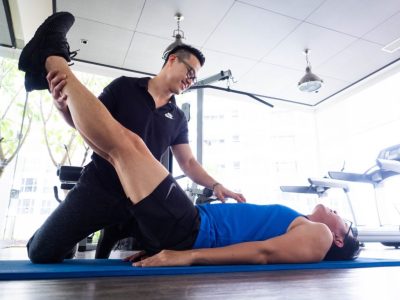
Before any workout begins, a good personal trainer conducts a thorough movement screening. This involves assessing your posture, joint mobility, muscle activation patterns, and identifying areas of weakness or tightness. This assessment forms the foundation of your entire training programme.
Corrective Exercise Programming
Based on the assessment, the trainer designs a programme that targets the root cause of your pain rather than just the symptoms. For example, someone with lower back pain may actually have weak glutes and overactive hip flexors. The programme would focus on glute activation, hip mobility, and core stabilisation before progressing to more complex movements.
Gradual Load Progression
One of the most important principles in pain management through exercise is progressive overload applied carefully. A skilled personal trainer knows how to gradually increase intensity without aggravating existing conditions. This builds strength around vulnerable joints and improves tissue resilience over time.
Collaboration with Healthcare Professionals
Many personal trainers in Singapore work closely with physiotherapists, chiropractors, and sports doctors. If you are recovering from an injury or managing a diagnosed condition, your trainer can coordinate with your healthcare provider to ensure your programme is safe, appropriate, and complementary to any ongoing treatment.
Common Conditions Personal Trainers Help With in Singapore
Personal trainers with a background in corrective exercise and rehabilitation can support clients dealing with a wide range of conditions. Lower back pain is the most common, often linked to prolonged sitting and poor core strength. Neck and shoulder tension from computer use is another frequent issue, addressed through posture correction and upper back strengthening.
Knee pain, particularly patellofemoral syndrome, responds well to targeted hip and quad strengthening protocols. Plantar fasciitis, which is surprisingly common among Singaporeans who spend long hours on hard floors, can be managed through calf mobility work and foot strengthening exercises. Even conditions like scoliosis and hyperlordosis can be improved significantly with a well-designed personal training programme.
The Role of Consistency and Lifestyle
Pain relief through personal training is not a quick fix. It requires consistency, patience, and a willingness to address lifestyle habits beyond the gym. Your trainer will likely discuss your sleep quality, stress levels, daily movement habits, and even your workstation setup. These factors all contribute to chronic pain and need to be addressed alongside your exercise programme.
Many clients in Singapore begin to notice meaningful improvements within six to eight weeks of consistent training. As strength improves and movement patterns are corrected, the body becomes more resilient and pain episodes become less frequent and less severe.
How to Choose the Right Personal Trainer in Singapore for Pain Management
Not every personal trainer is equipped to handle clients with chronic pain. When looking for a trainer in Singapore, check for certifications beyond a basic fitness qualification. Look for credentials in corrective exercise, such as the NASM Corrective Exercise Specialist (CES) or a background in sports rehabilitation. Experience working with clinical populations is also a strong indicator that the trainer understands how to train safely around pain and injury.
Ask potential trainers about their assessment process and how they approach programme design for clients with physical limitations. A trainer who asks detailed questions about your medical history and takes time to understand your pain before prescribing any exercise is one worth trusting.
Real-Life Impact: What Clients Experience
Many clients who begin their journey at True Fitness Singapore for chronic pain relief describe a significant shift not just physically but mentally. Living with daily pain is exhausting and can contribute to anxiety, low mood, and reduced motivation. As pain decreases and physical capability improves, clients often report better sleep, higher energy levels, and a more positive outlook overall.
The confidence that comes from regaining control over your body and movement is one of the most rewarding outcomes of personal training for pain management. It empowers people to live more actively, participate in activities they had given up, and approach daily life with greater ease.
Frequently Asked Questions
Can personal training make my chronic pain worse? When conducted by a qualified trainer who understands your condition, personal training should not worsen your pain. A proper assessment and gradual progression ensure that exercises are appropriate for your current level and do not aggravate existing issues. Always inform your trainer about any pain you experience during or after sessions.
Do I need a referral from a doctor before starting personal training for pain? You do not always need a referral, but it is advisable to consult your doctor or physiotherapist before beginning a new exercise programme if you have a diagnosed condition. Many personal trainers in Singapore will request a medical clearance form if you have a complex health history.
How many sessions will I need before I see results? Most clients begin to notice improvements in mobility and a reduction in pain within six to eight weeks of consistent training, typically two to three sessions per week. However, this varies depending on the severity and duration of the condition.
Is personal training for pain relief covered by insurance in Singapore? Personal training sessions are generally not covered by standard health insurance in Singapore. However, some corporate wellness programmes may provide partial coverage depending on your employer’s benefits package.
Can I do personal training alongside physiotherapy? Yes, and in many cases this combination is highly effective. Your personal trainer and physiotherapist can work together to ensure your programmes complement each other and support your overall recovery.