 By Levi Leo
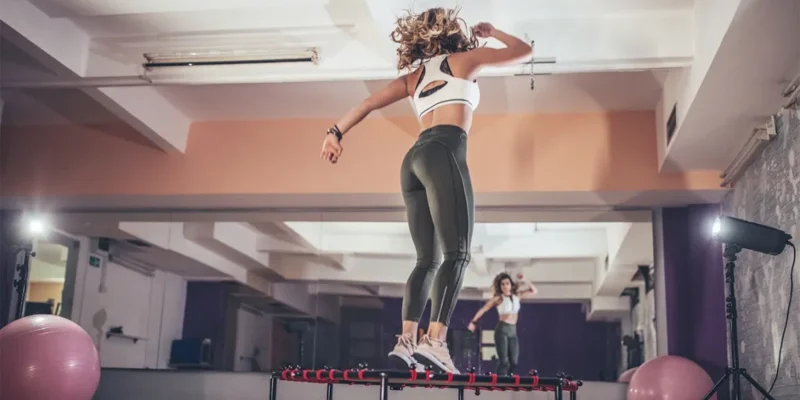
Cardio does not have to mean punishing knees, forcing long runs, or spending another repetitive hour on a treadmill. Many adults today want workouts that feel energetic, structured and effective, but still kinder on the body. That is one reason a trampoline class singapore option is gaining attention among people who want a lively workout without the harsh impact often linked with traditional cardio routines.
Rebound training uses controlled jumping, rhythm, balance and bodyweight movement to create a full-body session. It feels playful on the surface, but a well-designed class can challenge stamina, coordination, core control and cardiovascular fitness. For busy adults who struggle to stay consistent with exercise, that combination matters.
Why Low Impact Cardio Matters for Modern Adults
Many people stop exercising not because they dislike fitness, but because their workout feels uncomfortable, boring or too hard to maintain. Running, stair climbing and high-impact aerobic formats can be effective, but they may not suit everyone, especially those with sensitive joints, long working hours, old injuries or low motivation.
Rebound training offers a different experience. The trampoline surface absorbs part of the impact, which can make the movement feel softer compared to jumping on a hard floor. That does not make the class easy. It simply changes the way the body experiences intensity.
A good rebound workout can raise the heart rate, activate the legs and challenge the core while keeping the session enjoyable. For adults who want cardio but dislike traditional gym machines, this kind of class can make exercise feel less like a duty and more like a sustainable lifestyle habit.
More Than Just Jumping
A premium trampoline fitness class is not random bouncing. It usually combines rhythm-based movement, controlled landing, tempo changes, squats, balance holds, arm patterns and core engagement. These elements create a layered workout that trains the body in several ways.
The lower body works through repeated push-offs and controlled landings. The core helps stabilise the spine and pelvis. The arms support rhythm and movement coordination. The cardiovascular system responds to continuous motion and intensity changes.
This is why rebound training can feel simple at first glance but surprisingly demanding once the class begins. The challenge is not only in how high someone jumps. It is in how well they control the body while moving with speed, rhythm and precision.
The Role of Balance and Coordination
Balance is often ignored in adult fitness routines. Many people focus on calories, weight loss or muscle tone, but coordination and stability are just as important for long-term movement quality.
A trampoline surface is naturally unstable. This means the body has to make small adjustments throughout the session. Over time, that can help improve body awareness, foot control and reaction timing. For adults who spend long hours seated, this type of movement can feel refreshing because it wakes up muscles that are often underused.
Coordination also keeps the mind engaged. Instead of performing the same mechanical movement again and again, participants follow rhythm, direction and tempo. This mental involvement can make the class more enjoyable and help reduce workout boredom.
Why Enjoyment Improves Consistency
The best workout is not always the toughest workout. It is the one a person can repeat consistently. Many adults start intense fitness plans with strong motivation, then drop off after a few weeks because the routine feels too stressful or inconvenient.
Rebound training has an advantage because it feels energetic and social. Music, group energy and movement variety can make the session feel less intimidating. When people enjoy the process, they are more likely to return.
This matters for long-term health. Cardiovascular fitness, weight management, better mood and improved stamina all depend on repeated effort over time. A workout that people actually look forward to can be more valuable than a perfect plan they never follow.
Who Can Benefit Most
Trampoline-based fitness may appeal to adults who want cardio without outdoor heat, people who dislike running, gym-goers looking for variety, and those who want a class format that feels upbeat. It can also be useful for people who need a fresh way to rebuild consistency after long breaks from exercise.
However, it is still a workout. Anyone with medical concerns, balance issues, recent injuries or pregnancy should check with a qualified health professional before joining. Proper class supervision also matters because technique, posture and safe landing patterns make the experience better.
Making It Part of a Weekly Routine
A rebound class can fit into a broader weekly training plan. For example, someone may combine trampoline cardio with strength training, mobility work and recovery days. This creates a balanced routine instead of depending on one type of exercise for everything.
For general fitness, variety is helpful. Strength training supports muscle and bone health. Cardio supports endurance. Mobility work supports better movement. Rebound training can sit comfortably within that mix as an enjoyable cardio and coordination session.
Real-Life FAQs
Q. Is trampoline fitness only useful if I want to lose weight?
Ans. No. Weight management may be one benefit, but rebound training can also support stamina, coordination, balance, mood and exercise consistency.
Q. Can adults who do not enjoy running try this type of cardio?
Ans. Yes, many adults prefer rebound workouts because they feel more dynamic and less repetitive than running or treadmill sessions.
Q. Should I still do strength training if I attend trampoline classes?
Ans. Yes. Trampoline classes can be part of a balanced routine, but strength training is still important for muscle development, posture and long-term fitness.